4,8 ★ on Trustpilot (4.634 reviews)
Batch-tested by independent laboratories
+62.600 orders since 2012
99,71% customer satisfaction
Nowadays, everyone around the world knows a little about cannabis. We know roughly what this unique and promising plant consists of. Even if we (in Denmark) only just as quietly started focusing on it back in 2010. Here we are therefore focusing on the cannabinoids, as these are essential for the plant's many health-promoting aspects.
Today, science knows of at least 85 different cannabinoids from the cannabis plant. In particular, we know CBD and THC as two of the best-known cannabinoids. And due to the body's own internal cannabis system, also called the endocannabinoid system (ECS), cannabis is often referred to among scientists as " man's most symbiotic plant ". The plant is called this because cannabis contains molecules that are very similar to the molecules that the human body itself contains, known as endocannabinoids.
There are basically two well-known classifications of cannabinoids ( we intentionally completely ignore synthetic cannabis, which is currently proving to be dangerous for us humans to use ):

The term “cannabinoids” also covers the essential fatty acids that our own bodies use as neurotransmitters to communicate between certain cell types in our bodies. This collection of important neurotransmitters and cells in the body is collectively referred to as the “endocannabinoid system ” (ECS).
Cannabinoids have a synergistic effect. Each cannabinoid also has its own individual properties, which help both on its own and in interaction with others.
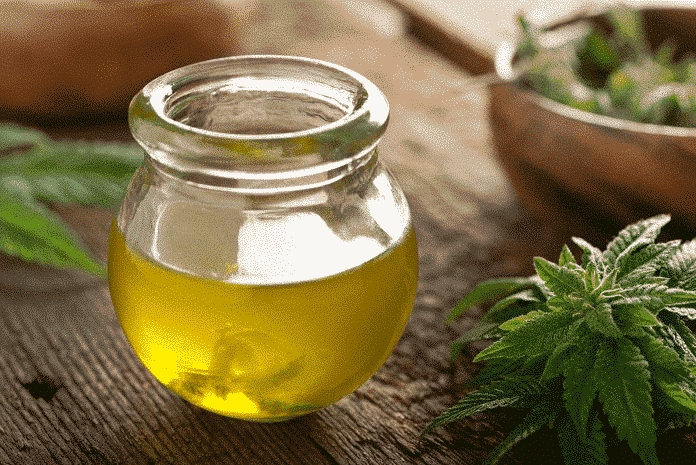
Cannabis oil contains some of the building blocks that the body needs in everyday life: Important vitamins, minerals, proteins, enzymes, antioxidants, flavonoids and other essential fatty acids. But it cannot replace a varied, healthy diet, which should preferably be of organic standard.
The cannabinoids the body makes itself are called endocannabinoids. Today we know at least 8-9 different endocannabinoids in detail. It is believed that the endocannabinoids are created in both the brain and the body as needed, in connection with potential illness and the like.
The body creates its endocannabinoids to adjust and stimulate various “potential danger situations.” For example, apoptosis (programmed cell death), appetite stimulation, pain levels, sleep, and neuroprotective actions – as well as a wide range of other important physiological processes.
The cannabinoids have a vital effect on the body's energy uptake, flexible transport of nutrients, metabolism, cell division, energy storage, etc. And together with our own ECS, the cannabinoids repair cells when they are exposed to damage or aging.
Whether cannabinoids are autoproduced in your body or ingested sublingually (under the tongue), inhaled via a home-rolled joint, applied to the body as drops, ointment, whipped body butter or the like, they are a perfect match for a number of specialized receptors around the body.
The largest collections of these receptors are found in the hippocampus (which regulates memory), the cerebral cortex (understanding), the cerebellum (motor skills), the basal ganglia (movement), the hypothalamus (appetite) and the amygdala (emotions).
The cannabinoids are captured by our widespread ECS as important contributors as health “communicators”. This then produces a beneficial effect on the body's own ability to bring the body into balance (again).

Our endocannabinoid system (ECS) was only finally identified in the 1980s. It consists of 2 types of receptors. These 2 types of receptors can be stimulated and modulated by cannabinoids produced naturally in the body or ingested via cannabis.
1: CB1 receptors : Found primarily in the nervous system. But also found in connective tissue, genitals, glands and other vital organs.
2: CB2 receptors : Found primarily in the immune system. But also found in the spleen, liver, heart, kidneys, bones, blood vessels, lymph cells and genitals.
Some cannabinoids have greater "kinship" with one type of receptor compared to the other. With its complex actions in our immune system and nervous system, ECS is also literally an important bridge between body and mind. Cannabinoids therefore fit like a glove in the cannabinoid receptors we have in the body's own ECS.
One thing is clear: A functional ECS in our body is crucial for health. From conception, the embryonic implantation in our mother's womb, to breastfeeding and growth. But also to later respond to damage and wear and tear in adulthood. So endocannabinoids help the body survive in a rapidly, permanently changing and increasingly challenging environment.
The cannabis plant itself also uses CBD and THC, as well as other cannabinoids, to promote its own health and prevent disease.
Cannabinoids have antioxidant properties that also protect the plant from dangerous ultraviolet radiation. Here, the cannabinoids effectively neutralize the harmful free radicals generated by UV rays and protect the cells in the plant.
So all in all, the cannabis plant can be said to be "man's best friend" when we focus especially on health and healing.
Read more about the skin and the body's own endocannabinoid system (ECS) here: https://oilsbysimpson.com/kroppens-endocannabinoide-system/
We are ready to help you - get in touch with us by phone, chat or email - Click on contact us for more information.
Contact us →
We have been here since 2012 – and we are[...]

In an unregulated cannabis industry, user ambassadors are an important part of[...]
There has been much discussion so far about the medical benefits [...]
Here are the questions that our customer service often hears from [...]